
Introduction
Snakes in Kansas — with more than 40 species calling the Sunflower State home, it’s no surprise this topic gets searched heavily every spring and summer. Furthermore, whether you’re a hiker, gardener, or homeowner in Kansas, understanding which snakes you might encounter, and which ones actually pose a risk, is genuinely useful knowledge. However, most people overestimate how many snakes in Kansas are dangerous, when in reality only a small handful out of dozens of species are venomous. Moreover, knowing how to identify these snakes and what to do if you encounter one can make outdoor activities significantly less stressful. In this article, we cover everything about snakes in Kansas, including how many species exist, which ones are venomous, and how to stay safe. So let us get started!
Snakes In Kansas? The Direct Answer
Snakes In Kansas — How Many Species Live In The State
Snakes in Kansas number more than most people expect. Furthermore, Kansas is home to approximately 42 species of snakes, making it one of the more snake-diverse states in the central United States. Moreover, these snakes are spread across a wide range of habitats, including prairies, woodlands, wetlands, and rocky hillsides, meaning the specific species you’re likely to encounter can vary significantly depending on which part of the state you’re in. As a result, Kansas residents in the eastern, western, and central regions of the state often report seeing noticeably different snake species.
Snakes In Kansas — Which Species Are Venomous
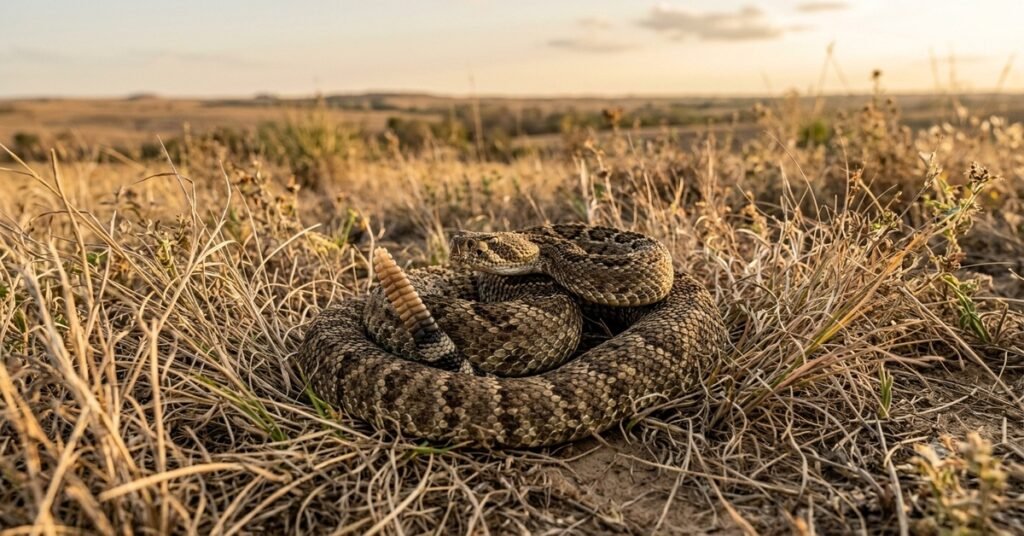
Out of all the snakes in Kansas, only a small number are actually venomous. Furthermore, six species are classified as venomous: the Copperhead, Cottonmouth, Timber Rattlesnake, Prairie Rattlesnake, and two types of Massasauga, the Western and Desert Massasauga. Moreover, each venomous species tends to occupy a specific region of the state — Copperheads are typically found in the eastern third of Kansas, Timber Rattlesnakes in the eastern fourth, Massasaugas across the eastern two-thirds, and Prairie Rattlesnakes in the western half. As a result, the risk of encountering a venomous snake in Kansas depends heavily on both location and habitat type.
Snakes In Kansas? The Most Common Species
Snakes In Kansas — Non-Venomous Snakes You’re Likely To See
The vast majority of snakes in Kansas are harmless and beneficial to the local ecosystem. Furthermore, common non-venomous species found near homes include the Common Garter Snake, Milk Snake, Black Rat Snake, and Northern Water Snake, all of which play an important role in controlling rodent and insect populations. Moreover, the Eastern Racer is considered one of the most frequently encountered snakes across the state, while Speckled Kingsnakes are notable for being immune to rattlesnake venom, effectively making them a natural predator of the state’s venomous species. As a result, most snake encounters in Kansas involve species that pose no threat to people or pets.
Snakes In Kansas — Where They’re Most Commonly Found
Understanding where snakes in Kansas tend to gather helps explain why encounters happen where they do. Furthermore, snakes are typically drawn to areas with reliable food sources and good cover, including wood piles, rock piles, tall grass, fence posts, and debris piles. Moreover, snake activity in Kansas peaks from April through October, with snakes being most active during these warmer months as they search for food and basking spots. As a result, homeowners looking to reduce snake activity around their property are generally advised to clear brush piles and debris rather than relying on other deterrent methods.
Here is a quick overview of Kansas’s venomous snake species:
SpeciesRegion FoundTypical LengthCopperheadEastern third of Kansas2-3 feetCottonmouthSoutheast Kansas2-4 feetTimber RattlesnakeEastern fourth of KansasUp to 5 feetPrairie RattlesnakeWestern half of Kansas3-4 feetMassasauga (Western/Desert)Eastern two-thirds of Kansas2-3 feet
Furthermore, this table highlights how location plays a major role in determining which venomous species a person is realistically likely to encounter. As a result, Kansans in different parts of the state face different levels of risk depending on regional snake distribution.
Snakes In Kansas? Safety Tips And What To Do
Snakes In Kansas — How To Stay Safe Outdoors
Staying safe around snakes in Kansas comes down to a few consistent precautions. Furthermore, wearing sturdy boots or shoes while hiking, gardening, or camping, using a walking stick on trails, and avoiding placing hands under rock ledges, logs, or stumps where snakes may be hiding are among the most effective preventive steps. Moreover, most snake bites occur when a person unknowingly steps on or near a snake that then reacts defensively, meaning careful footing and awareness of surroundings significantly reduce risk. As a result, most snake bites in Kansas are considered preventable with basic outdoor caution.
Snakes In Kansas — What To Do If You Encounter One
Knowing how to respond to snakes in Kansas can prevent an encounter from becoming a dangerous situation. Furthermore, wildlife experts recommend treating all snakes as potentially dangerous and simply walking away rather than attempting to handle or kill them, since accurate identification in the moment can be difficult even for experienced observers. Moreover, if a venomous snake bite does occur, seeking prompt medical attention is essential, and trying to identify or capture the snake is generally discouraged, since medical treatment does not typically depend on knowing the exact species. As a result, calm avoidance and prompt medical care remain the two most important responses to any snake encounter.
Frequently Asked Questions (FAQs)
Q1: How many species of snakes live in Kansas? Kansas is home to approximately 42 species of snakes. Furthermore, they are spread across prairies, woodlands, wetlands, and rocky habitats throughout the state. As a result, the specific species encountered often depends on region and habitat type.
Q2: How many venomous snakes are in Kansas? Kansas has six venomous snake species: the Copperhead, Cottonmouth, Timber Rattlesnake, Prairie Rattlesnake, and two types of Massasauga rattlesnake. Furthermore, each tends to be concentrated in a specific region of the state. As a result, only a small fraction of the state’s overall snake population is venomous.
Q3: What is the most common snake in Kansas? The Eastern Racer is considered one of the most frequently encountered snakes across the state. Furthermore, other common species near homes include the Common Garter Snake, Milk Snake, Black Rat Snake, and Northern Water Snake. As a result, most snake sightings in Kansas involve non-venomous, harmless species.
Q4: When are snakes most active in Kansas? Snakes in Kansas are most active from April through October, with peak activity during the warmer months. Furthermore, this is when snakes are most commonly searching for food and basking spots. As a result, outdoor enthusiasts should be most cautious during this seasonal window.
Q5: How can I keep snakes away from my home? Clearing brush piles, wood stacks, rock piles, and debris from around a property reduces the food sources and hiding spots that attract snakes. Furthermore, keeping grass trimmed short also removes cover snakes rely on. As a result, habitat management is generally more effective than relying on snake repellents alone.
Q6: What should I do if I see a snake in Kansas? Wildlife experts recommend simply walking away and treating all snakes as potentially dangerous, since accurate identification can be difficult in the moment. Furthermore, snakes should never be handled or killed unnecessarily, since most species are beneficial to the local ecosystem. As a result, calm avoidance is the safest response in nearly all situations.
Conclusion
So what is the full story on snakes in Kansas? The answer is that the state is home to roughly 42 species, but only six are venomous, and each of those tends to be concentrated in specific regions, from the Copperhead’s eastern range to the Prairie Rattlesnake’s western territory. Furthermore, the vast majority of snakes Kansans encounter, including garter snakes, milk snakes, and rat snakes, are harmless and play a beneficial role in controlling rodent and insect populations. Moreover, basic outdoor precautions like wearing sturdy footwear, watching your step, and avoiding hidden spaces where snakes might hide go a long way toward preventing dangerous encounters. As a result, understanding the snakes native to Kansas turns an often-feared topic into manageable, practical outdoor knowledge.
Stay tuned to WorldForbes for the latest wildlife guides, outdoor safety tips, and nature explainers in 2026.