
Introduction
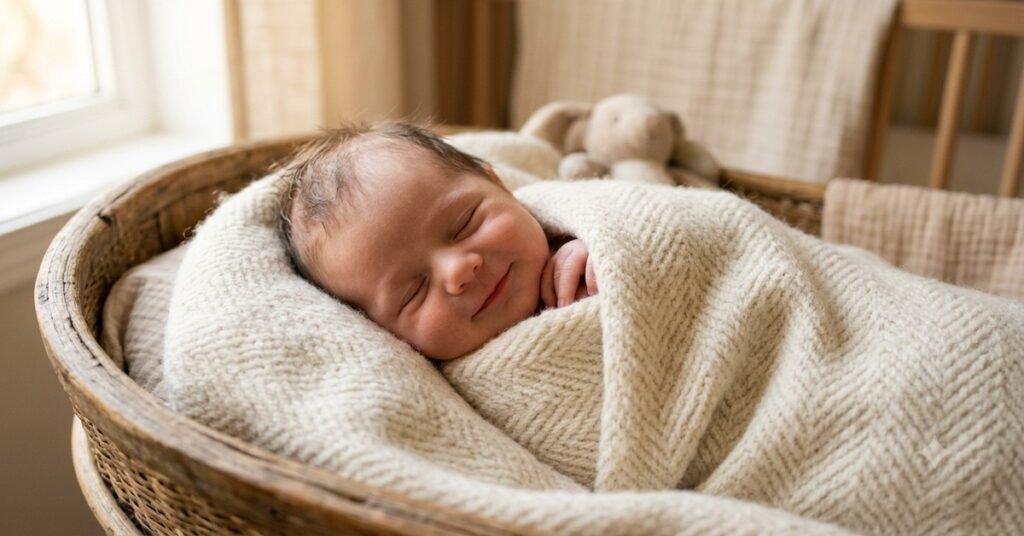
Newborn giggles in sleep — it’s one of the most heart-melting, and confusing, things new parents notice, often catching them completely off guard during a late-night feed or a quiet nap check. Furthermore, hearing a tiny chuckle come from a baby who is clearly still fast asleep raises an obvious question: is this normal, or something to worry about? However, the answer, backed by pediatric sleep research, is reassuring for the overwhelming majority of cases. Moreover, understanding the science behind newborn sleep laughter can help parents enjoy these adorable moments without unnecessary worry, while still knowing the rare signs that genuinely warrant a call to the pediatrician. In this article, we cover everything about newborn giggles in sleep, from the science behind them to when they might need medical attention. So let us get started!
Newborn Giggles In Sleep? The Direct Answer
Newborn Giggles In Sleep — Why It Happens
Newborn giggles in sleep are, in almost all cases, a completely normal and harmless part of infant development. Furthermore, babies spend roughly 50% of their sleep time in REM, or active sleep, a stage marked by increased brain activity that can produce sudden movements, facial expressions, and sounds like laughter. Moreover, these sleep giggles are considered reflexive rather than emotional, meaning they are involuntary neurological firings from subcortical areas of the brain rather than a response to an actual dream or joke. As a result, a giggling newborn is best understood as a brain in active development, not a baby experiencing genuine amusement in the way an older child or adult would.
Newborn Giggles In Sleep — The Connection To Brain Development
The science behind newborn giggles in sleep ties directly into early brain growth. Furthermore, during REM sleep, a newborn’s nervous system is actively maturing, and movements like sleep smiles and giggles are thought to help build important neural connections used later for real, social smiling and laughing while awake. Moreover, research has shown that spontaneous smiles are considered the developmental beginning of more complex positive behaviors, with the brain reportedly processing daily interactions, sounds, and social information even while a baby sleeps. As a result, these tiny reflexive giggles are essentially a newborn’s brain rehearsing skills it will use once fully awake and socially engaged.
Newborn Giggles In Sleep? What The Research Shows
Newborn Giggles In Sleep — REM Sleep And Dreaming
Understanding newborn giggles in sleep also requires understanding how differently babies dream compared to adults. Furthermore, because babies under 6 months likely don’t dream in the way older children or adults do, their sleepy smiles and giggles are considered more of a physiological reflex than a reaction to any dream content. Moreover, one study specifically found that smiling during active REM sleep is common in healthy newborns, reinforcing that this behavior is a typical, expected part of early infant sleep architecture rather than something unusual. As a result, parents can generally take comfort knowing sleep giggles reflect healthy brain activity rather than any specific dream experience.
Newborn Giggles In Sleep — A Sign Of Healthy Nervous System Growth
Beyond REM sleep specifically, newborn giggles in sleep are often grouped with other reflexive movements that signal healthy development. Furthermore, eye fluttering, small facial twitches, and brief limb movements frequently accompany sleep giggling, and all of these together are considered signs of a maturing nervous system rather than causes for concern. Moreover, pediatric sleep specialists note that a baby’s body typically stays relaxed and free of tension during these episodes, with the giggle appearing briefly before the baby settles back into peaceful sleep. As a result, calm, brief, and relaxed giggling episodes are considered a reassuring sign of normal nervous system maturation.
Here is a quick overview of normal versus concerning sleep-laughter signs:
SignWhat It Usually MeansTypical ActionBrief, occasional gigglingNormal REM sleep activityNo action needed; enjoy the momentAccompanied by relaxed bodyHealthy nervous system developmentNo action neededSoft smiling alongside gigglingNormal active sleep behaviorNo action neededPersistent, rhythmic, uncontrollable laughingPossible sign of a gelastic seizureConsult a pediatricianAccompanied by a vacant stare or unusual movementsWarrants medical evaluationConsult a pediatrician promptly
Furthermore, this table highlights that the vast majority of newborn sleep giggles fall clearly into the “normal” category. As a result, most parents can enjoy these moments without concern, while still knowing what specific signs would warrant a conversation with their pediatrician.
Newborn Giggles In Sleep? When To Talk To A Pediatrician
Newborn Giggles In Sleep — The Rare Exception: Gelastic Seizures
While newborn giggles in sleep are overwhelmingly harmless, there is one rare exception worth knowing about. Furthermore, a specific type of seizure called a gelastic seizure can cause episodes of uncontrolled giggling, typically lasting around 10 to 20 seconds, and these can begin in infancy and occur either as a baby is falling asleep or during sleep itself. Moreover, warning signs that distinguish this rare condition from normal sleep giggling include the laughter happening multiple times a day, occurring alongside a vacant stare, or being accompanied by unusual grunting or repetitive body movements. As a result, parents who notice this specific pattern, rather than occasional, brief giggles, are encouraged to speak with their pediatrician for further evaluation.
Newborn Giggles In Sleep — What To Watch For With Sleep Crying
Alongside giggling, some parents also notice their newborn crying during sleep, which follows a somewhat different pattern. Furthermore, occasional sleep crying is also generally normal, tied to the same active REM sleep stage, but persistent or intense crying during sleep occurring alongside giggling episodes can sometimes point toward nightmares or, less commonly, night terrors, both of which are more typical in older infants and toddlers than newborns. Moreover, if a baby’s sleep laughter or crying pattern seems unusual, more frequent than expected, or paired with any concerning physical symptoms, tracking exactly what is observed and sharing it with a pediatrician is the most reliable way to get clarity. As a result, most parents will never need to worry beyond simply enjoying the sweet, fleeting moment of a sleeping baby’s giggle.
Frequently Asked Questions (FAQs)
Q1: Why do newborns giggle in their sleep? Newborn giggles during sleep are typically reflexive neurological activity occurring during REM, or active sleep, rather than a response to an actual dream. Furthermore, this behavior is linked to healthy brain and nervous system development. As a result, it is considered a normal and common part of early infant sleep.
Q2: Is it normal for a newborn to laugh in their sleep? Yes, in the vast majority of cases, this is completely normal and even a sign of healthy nervous system maturation. Furthermore, babies spend roughly half their sleep time in REM, a stage known for producing movements, facial expressions, and sounds like giggling. As a result, occasional sleep giggling is not a cause for concern.
Q3: Do newborns actually dream when they laugh in their sleep? Babies under 6 months likely don’t dream the way older children or adults do, so their sleep smiles and giggles are considered more reflexive than dream-related. Furthermore, this reflexive activity still plays an important role in nervous system development. As a result, the giggling is best understood as brain “practice” rather than a response to dream content.
Q4: When should I be concerned about my baby laughing in their sleep? Concern is generally warranted only if the laughter is persistent, rhythmic, and uncontrollable, especially if it’s accompanied by a vacant stare or unusual body movements, since these can be signs of a rare condition called a gelastic seizure. Furthermore, occasional, brief giggling with a relaxed body is not a warning sign. As a result, tracking the pattern and consulting a pediatrician is recommended only if these specific signs appear.
Q5: What is a gelastic seizure? A gelastic seizure is a rare type of seizure that causes episodes of uncontrolled giggling, typically lasting 10 to 20 seconds, and can begin in infancy. Furthermore, it may occur as a baby falls asleep or while already asleep. As a result, this is considered a rare exception rather than a typical explanation for sleep giggling.
Q6: Does sleep laughter mean my baby is developing normally? Generally, yes. Furthermore, brief giggling, smiling, and small facial movements during REM sleep are considered signs of a healthy, maturing nervous system. As a result, most pediatric sleep experts view occasional sleep giggling as a reassuring developmental sign rather than something to worry about.
Conclusion
So what is the full story behind newborn giggles in sleep? The answer is overwhelmingly reassuring: this adorable behavior is typically a reflexive part of REM, or active sleep, tied directly to healthy brain and nervous system development, rather than a sign that anything is wrong. Furthermore, research shows that these giggles, along with soft smiles and small facial movements, help lay the groundwork for the real social smiles and laughs a baby will develop over the following months. Moreover, the rare exception, gelastic seizures, involves a very specific pattern of persistent, uncontrolled laughter paired with a vacant stare or unusual movements, and is easily distinguished from the brief, relaxed giggling most newborns display. As a result, for the vast majority of parents, a giggling newborn is simply one of early parenthood’s sweetest and most reassuring little mysteries.
Stay tuned to WorldForbes for the latest parenting guides, infant development explainers, and newborn care tips in 2026.
Pingback: Spokane Wildfire 2026: Everything You Need To Know Right Now - WorldForbes