
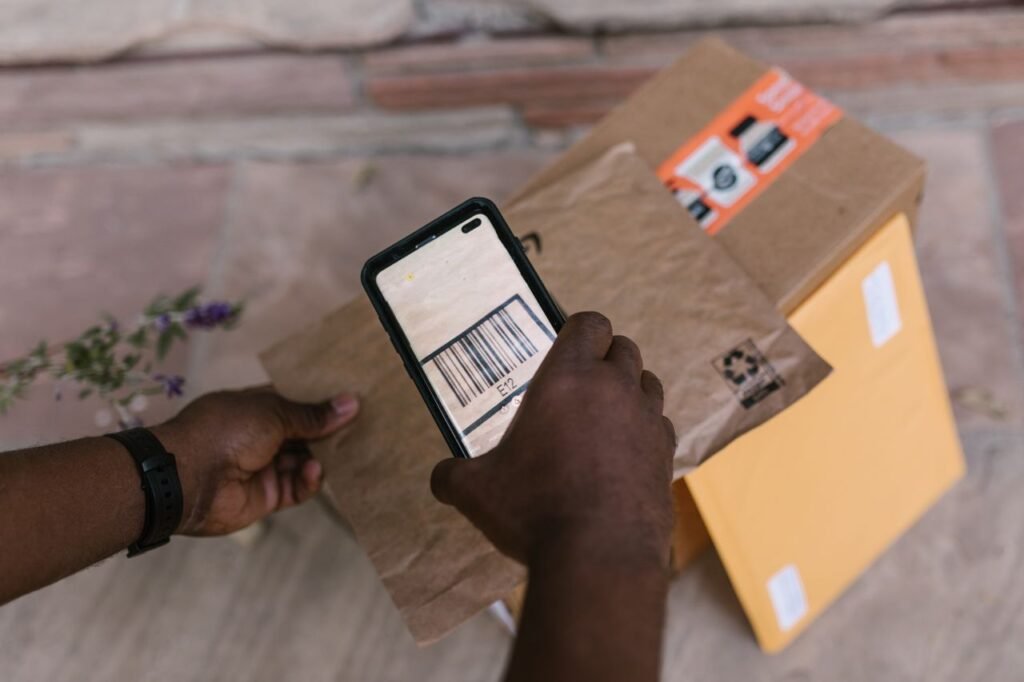
A recall notice appears in the news, and suddenly you are staring at your kitchen shelf, your child’s toy box, or your car, wondering: is mine one of the affected ones? The answer is usually checkable in a few minutes — but only if you know where to look, and what details matter. There is no single list of every recall in the United States, and a brand match alone is not enough: most recalls cover specific models, serial numbers, date codes, or lots, not an entire product line.
This guide explains what a recall is, which agency handles which kind of product, how to check each one, and what to do if yours is affected. It also explains the difference between a recall, a market withdrawal, and a consumer report — three things that are often confused.
What a recall actually is
A recall is an action taken by a firm to remove a product from the market, or to correct it, because the product violates the law or poses a safety risk. The Food and Drug Administration (FDA) defines recalls as actions taken by a firm to remove a product from the market, and notes that a recall does not include a market withdrawal or a stock recovery.
That distinction matters. A market withdrawal happens when a product has a minor violation that would not be subject to FDA legal action — the firm removes it or corrects the violation, for example because of tampering without evidence of a manufacturing problem. A stock recovery is the retrieval of a product that has not yet left the firm’s control. Neither is a recall, and neither is listed the same way.
For consumer products such as toys, furniture, appliances, and electronics, the US Consumer Product Safety Commission (CPSC) posts two kinds of notices: recalls, which come with a company remedy such as a refund, repair, or replacement, and product safety warnings. For vehicles, the National Highway Traffic Safety Administration (NHTSA) handles safety recalls. The remedy in a recall is free — if a company asks you to pay for a recall repair or replacement, that is a red flag.
Which agency handles your product?
The first step is to match the product to the right agency, because each one runs its own database.
Household products, toys and children’s products, furniture, appliances, electronics, clothing, and sports gear are handled by the CPSC. Search its recalls database at cpsc.gov/Recalls, by brand, product name, or model number.
Cars and other motor vehicles, car seats, tires, and vehicle equipment are handled by NHTSA. Search at nhtsa.gov/recalls — for a vehicle, use its 17-character Vehicle Identification Number (VIN) for an exact answer about your specific car; for car seats and tires, search by brand and model.
Food, medicines, medical devices, cosmetics, and dietary supplements are handled by the FDA. Its page “Recalls, Market Withdrawals, & Safety Alerts” lists recalls that came with a press release or other public notice — but the FDA itself notes that not every recall appears there. The weekly FDA Enforcement Report lists each new recall with its class, and is the fuller list.
Meat, poultry, and egg products are handled by the US Department of Agriculture’s Food Safety and Inspection Service (FSIS). FoodSafety.gov shows USDA and FDA food recalls together, which makes it a useful single starting point for food.
If you are not sure which agency applies, start at Recalls.gov, run by the CPSC, which links to all of them from one page. It also links to recalls of recreational boats (US Coast Guard) and of pesticides and vehicles that fail emissions standards (Environmental Protection Agency).
How to check: the five-minute method
Start by gathering the identifying details before you search. For a medicine, that is the lot number and expiration date on the label. For food, it is the brand, product name, size, and date or lot code. For a household item, it is the brand, product name, and model number — and often the serial number or manufacturing date code. For a car, it is the 17-character VIN, found on the dashboard, the driver’s door frame, or your registration.
Then search the right database by brand first, and scan the results for your product type. If you get a hit, open the full notice and compare every identifier it lists — model suffixes, serial ranges, date codes, and lot numbers — against your item. Recalls almost never cover an entire product line; they cover specific manufacturing runs. All of the information must match, including the brand, product name, and date, for your item to be part of the recall. A brand match alone is not enough, and a model number that is close but not identical usually means your item is not affected.
If the range or code is unclear, use the manufacturer’s official recall contact listed in the notice rather than guessing how to decode it. And keep the notice itself, not just a screenshot: the CPSC notes that remedy information can change, so a saved screenshot should not become your permanent source of truth.
For food, the steps are spelled out in our companion guide: Recalled Food: The Exact Steps to Take When a Product You Bought Is Recalled. For a general lesson in checking claims before you share them — including recall rumors on social media — see: How to Check a Viral News Claim Before You Share It.
What the FDA’s recall classes mean
When the FDA classifies a recall, it assigns one of three classes according to the hazard. A Class I recall is a situation in which there is a reasonable probability that the use of, or exposure to, a violative product will cause serious adverse health consequences or death. A Class II recall is a situation in which use of, or exposure to, a violative product may cause temporary or medically reversible adverse health consequences, or where the probability of serious adverse health consequences is remote. A Class III recall is a situation in which use of, or exposure to, a violative product is not likely to cause adverse health consequences.
CPSC and NHTSA notices do not use these classes. They describe the hazard and the remedy instead — for example, a fire risk with a free repair, or a choking hazard with a refund.
What to do if your product is recalled
First, stop using the product if the notice tells you to. Do not try to fix it yourself, do not give it away, and do not sell it — selling a recalled product is illegal in the United States for consumer products under CPSC jurisdiction, and recalled items regularly turn up in third-party listings on marketplaces, which is one more reason to check before you buy secondhand.
Second, follow the remedy in the notice. It will usually be a free refund, repair, or replacement, with instructions for contacting the company or returning the item. You almost never need a receipt: the model and serial number prove your unit is affected. Keep a record of what you sent, when, and to whom.
Third, if the company is unresponsive or refuses to honor the recall, contact the CPSC at 1-800-638-2772 or report the problem at SaferProducts.gov. For medicines, the FDA instructs patients to check the lot number on the label against the lot number in the recall notification. For vehicles, your dealer is required to fix a safety recall for free — if a dealer tries to charge you, contact NHTSA.
Checking before you buy — and staying ahead of new recalls
The best time to check for a recall is before you buy, especially for secondhand or marketplace purchases. Note the brand and model number from the listing, search Recalls.gov by brand or product name, and do not buy the item if it matches a recall. Report the listing to the platform using its reporting tools — the CPSC works with online platforms to remove recalled product listings — and you can also report it at SaferProducts.gov.
Update — 12 November 2026: Three Recalls Announced Today
Three new recalls were announced today, Thursday 12 November 2026 — one e-trike, one baby toy set, and one cheese. Check the model, lot code or SKU, not just the brand: most recalls cover specific models and date codes, not a whole product line.
First, Huffy has recalled about 286 Buzz Bicycles Cerana T2 e-trikes, model E4004, because the rear wheels can detach or loosen from the frame, creating a fall hazard. The US Consumer Product Safety Commission says Huffy received 12 reports of the rear wheels loosening or separating, resulting in three injuries. The grey trikes were sold at independent bike shops and online at buzzbicycles.com from November 2024 through July 2026 for between $1,400 and $2,500. Stop using the trike and contact Huffy for free replacement rear axle assemblies.
Second, SHEIN has recalled about 2,657 baby rattle and teether toy sets because purple and orange knobs on the toys can break off, posing a choking hazard to children under three. The seven-toy pastel sets carry the SKU “sk25070936134444119” on the upper right of the label. They were sold on US.Shein.com for about $10 between November 2025 and July 2026. No injuries have been reported, but the sets break the small-parts rules for under-threes — stop using one you own and follow the remedy in the CPSC notice.
Third, the Food and Drug Administration has posted a recall of all Family Farmstead Dairy cheddar cheese products over potential listeria contamination. It covers Raw Mild Cheddar and Raw Sharp Cheddar, both 8 oz and plastic wrapped, with all lot codes dated 16 October 2027 or sooner. The cheese was distributed in twelve states: Connecticut, Delaware, Massachusetts, New Hampshire, New Jersey, New York, Pennsylvania, Rhode Island, Tennessee, Vermont, Virginia and West Virginia. Return it where you bought it, or contact the company at customerservice@familyfarmsteaddairy.com or (607) 397-4044, 8 a.m. to 5 p.m. ET, Monday to Friday. Listeria can cause fever, severe headache and abdominal pain, and infection during pregnancy can lead to miscarriage or stillbirth.
One more recall is in the news today, though it was announced earlier: Little Giant is recalling about 3.66 million ladders with Rapid Locks, sold at Costco, Lowe’s and Amazon since December 2015, because they can suddenly retract if the locks are not fully engaged. The CPSC notice, published 5 November, records 25 reports of ladders retracting, including 19 serious injuries. Check your ladder’s model, part number and date code on Little Giant’s recall page. For all four recalls, use the five-minute method in this guide and never sell or give away a recalled product.
Sources: US Consumer Product Safety Commission via United States Tribune, “Huffy recalls about 286 Buzz Bicycles e-trikes due to fall hazard” (12 November 2026): https://unitedstatestribune.com/us/huffy-recalls-about-286-buzz-bicycles-e-trikes-due-to-fall-hazard/ — US Consumer Product Safety Commission via United States Tribune, “SHEIN recalls 2,657 baby rattle and teether sets over choking hazard” (12 November 2026): https://unitedstatestribune.com/us/shein-recalls-2-657-baby-rattle-and-teether-sets-over-choking-hazard/ — Food and Drug Administration notice via Fast Company, “Cheddar cheese listeria recall 2026: Family Farmstead Dairy, list” (12 November 2026): https://www.fastcompany.com/91641005/cheddar-cheese-listeria-recall-2026-family-farmstead-dairy-list — US Consumer Product Safety Commission via Cincinnati.com, “Ladders sold for 11 years at Costco, other stores, recalled after injuries” (12 November 2026): https://www.cincinnati.com/story/news/2026/11/12/injuries-ladders-recalled-costco-lowes-amazon/92643101007/
Frequently asked questions
Where is the fastest place to check if a product is recalled?
Start at Recalls.gov, which links to every agency. For a specific product, go directly to the right database: cpsc.gov/Recalls for household products, nhtsa.gov/recalls for vehicles (search by VIN), and the FDA’s recalls page for food, drugs, and cosmetics.
Do I have to pay for a recall repair or replacement?
No. The remedy in a recall — refund, repair, or replacement — is free. If a company asks you to pay, contact the relevant agency.
What is the difference between a recall and a market withdrawal?
A recall is the removal or correction of a marketed product that violates the law the FDA administers. A market withdrawal covers a minor violation that would not be subject to FDA legal action. The FDA assigns recall classes only to recalls.
Can I sell or give away a recalled product?
No — do not use it, sell it, or give it away. Follow the remedy in the notice, and report unresponsive companies to the CPSC at 1-800-638-2772 or SaferProducts.gov.
Sources
- U.S. Consumer Product Safety Commission, recalls and SaferProducts.gov, via Recalls.gov routing: https://www.recalls.gov/ (see also https://www.cpsc.gov/Recalls as cited in agency guidance)
- U.S. Food and Drug Administration, Recalls Background and Definitions (Class I, II, III; market withdrawal): https://www.fda.gov/safety/industry-guidance-recalls/recalls-background-and-definitions?os=___&ref=app
- How to check recalls by product type and agency (CPSC, FDA, NHTSA, USDA): https://kpsgill.com/everyday/consumer/how-to-check-for-product-recalls/
- CPSC, FDA, and NHTSA databases and VIN search guidance: https://getkeptapp.com/blog/how-to-check-product-recalls/
- FDA recall publication, Enforcement Report, and reporting guidance: https://unitedstatestribune.com/us/what-to-do-when-a-product-you-own-is-recalled/
- Checking recalls before buying online and reporting listings: https://www.consumersadvisory.org/product-safety/how-to-check-for-product-recalls-when-shopping-online