
Introduction
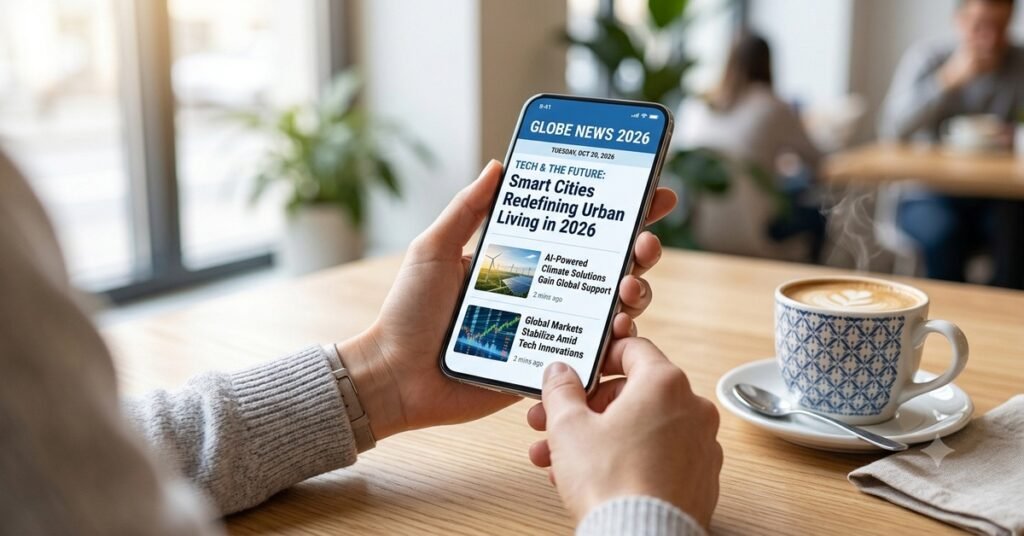
Reading news on a smartphone is now a daily habit for billions of people around the world. Furthermore, smartphones have completely changed how we consume news. Gone are the days of waiting for the morning newspaper. Moreover, today a user reading news on a smartphone can access thousands of stories in seconds. In this article, we cover everything about reading news on a smartphone in 2026. We share the latest statistics, reading habits, and the best apps for staying informed. So let us get started!
Reading News on a Smartphone: Key Statistics 2026
Reading News on a Smartphone — How Many People Do It?
Reading news on a smartphone is now one of the most popular daily activities in the world. Furthermore,of people use their smartphone for reading news. Moreover, of Americans own a mobile phone and more than nine out of ten own a smartphone. As a result, hundreds of millions of Americans have instant access to news right in their pockets.
Reading News on a Smartphone — Daily Usage Stats
The numbers around smartphone usage in 2026 are truly remarkable. Furthermore,each day Americans spend 4 hours and 30 minutes on their mobile phones and check their phones 205 times per day. Moreover,about 71% of people check their phone within 10 minutes of waking up. As a result, for millions of people, reading news on a smartphone is the very first thing they do each morning.
Here is a complete overview of smartphone news reading statistics in 2026:
| Statistic | Figure |
|---|---|
| Americans who use smartphones for news | 47.2% |
| Americans who own a smartphone | 91% |
| Daily time Americans spend on smartphones | 4 hours 30 minutes |
| Times Americans check phone per day | 205 times |
| People who check phone within 10 minutes of waking | 71% |
| Global smartphone users in 2026 | 4.69 billion |
| US adults who read news on smartphone weekly | 34% |
Furthermore, these figures show just how central reading news on a smartphone has become to daily life. As a result, news organizations have had to completely redesign their content strategies around mobile readers.
Reading News on a Smartphone: Why People Prefer Mobile News
Reading News on a Smartphone — Convenience is King
The biggest reason people prefer reading news on a smartphone is convenience. Furthermore, your phone is always with you. You can read news anywhere — on the bus, during lunch, or before bed. Moreover, smartphones give you instant access to breaking news the moment it happens. As a result, you never have to wait for a scheduled broadcast or a morning newspaper delivery.
Reading News on a Smartphone — Speed of Access
Reading news on a smartphone is incredibly fast. Furthermore, most news apps load stories in under three seconds. Moreover, push notifications alert you to breaking news the moment it breaks. As a result, smartphone users are often the first to know about major events — before TV viewers and newspaper readers.
Reading News on a Smartphone — Personalization
Smartphones allow you to personalize your news experience completely. Furthermore, apps like Apple News, Google News, and Flipboard learn your preferences over time. Moreover, they show you more of the stories you care about and less of what you do not. As a result, reading news on a smartphone is a far more personalized experience than watching TV news or reading a print newspaper.
Reading News on a Smartphone — Multimedia Content
Smartphones support all types of media. Furthermore, you can read articles, watch video clips, listen to podcasts, and view photo galleries all in one place. Moreover, modern news apps combine text, video, and audio into rich multimedia experiences. As a result, reading news on a smartphone is a much richer and more engaging experience than traditional news consumption.
Reading News on a Smartphone: Best News Apps in 2026
Reading News on a Smartphone — Top News Apps
There are many excellent apps for reading news on a smartphone in 2026. Furthermore, each app has its own unique strengths and features. Here are the best news apps available right now:
| App | Best For | Cost |
|---|---|---|
| Apple News | iPhone users — personalized news | Free / $12.99 per month for Plus |
| Google News | Android users — AI personalized feed | Free |
| Magazine style reading experience | Free | |
| Reuters | Breaking global news | Free |
| AP News | Unbiased factual news | Free |
| BBC News | International news coverage | Free |
| CNN | US and world news | Free |
| Fox News | Conservative news and opinion | Free |
| The Guardian | Liberal news and long reads | Free |
| Axios | Short concise news briefs | Free |
Furthermore, most of these apps are completely free to download and use. As a result, reading news on a smartphone has never been more accessible or affordable.
Reading News on a Smartphone — Apple News vs Google News
The two most popular news apps for reading news on a smartphone are Apple News and Google News. Furthermore, Apple News is available on iPhone and iPad only. Google News works on both Android and iOS. Moreover, both apps use AI to personalize your news feed based on your reading habits. As a result, both are excellent choices depending on which device you use.
Reading News on a Smartphone — Social Media as a News Source
Many people also use social media for reading news on a smartphone. Furthermore, platforms like X (formerly Twitter), Facebook, and Instagram are now major news sources. However, social media news comes with risks. Moreover, misinformation spreads very quickly on social platforms. As a result, always verify news from social media using trusted news apps before sharing it.
[Image Suggestion: Multiple news apps displayed on a smartphone home screen — place this image here]
Reading News on a Smartphone: Habits by Generation
Reading News on a Smartphone — Gen Z News Habits
Gen Z consumes news very differently from older generations. Furthermore, they are the most smartphone-dependent generation in history. The average screen time of the Gen Z population is 9 hours per day. Moreover, Gen Z primarily gets their news from social media platforms like TikTok, Instagram, and X. As a result, traditional news organizations are working hard to reach Gen Z where they already spend their time.
Reading News on a Smartphone — Millennial News Habits
Millennials are heavy smartphone news readers. Furthermore, they use a mix of news apps, social media, and newsletters to stay informed.Millennials follow Gen Z, with around 45% feeling over-reliant on their phones, while 35% are consciously trying to limit usage. Moreover, Millennials are more likely than Gen Z to use dedicated news apps like Apple News and Google News. As a result, they tend to consume more in-depth news coverage than younger readers.
Reading News on a Smartphone — Gen X and Baby Boomer News Habits
Older generations are also adopting smartphone news reading rapidly. Furthermore, Gen X shows more balance, with roughly 35% admitting excessive phone time. Moreover, Baby Boomers are the fastest-growing group of new smartphone news readers. As a result, news apps are increasingly designing content that appeals to readers of all ages and generations.
Here is a breakdown of smartphone news reading habits by generation:
| Generation | Primary News Source | Average Daily Screen Time |
|---|---|---|
| Gen Z | TikTok and Instagram | 9 hours |
| Millennials | News apps and social media | 5 to 6 hours |
| Gen X | News apps and websites | 4 to 5 hours |
| Baby Boomers | News websites and TV | 3 to 4 hours |
Furthermore, this table shows that smartphone news reading is universal across all generations in 2026. As a result, mobile-first news strategies are essential for any news organization that wants to remain relevant.
Reading News on a Smartphone: Tips for Better News Reading
Reading News on a Smartphone — Read From Trusted Sources
The most important tip for reading news on a smartphone is to use trusted sources. Furthermore, misinformation spreads very quickly on mobile platforms. Moreover, always check that the news you are reading comes from a verified and reputable news organization. As a result, sticking to established news brands protects you from fake news and misinformation.
Reading News on a Smartphone — Use a Dedicated News App
Using a dedicated news app improves your reading experience significantly. Furthermore, apps like Apple News and Google News aggregate stories from hundreds of trusted sources in one place. Moreover, they filter out unreliable sources automatically. As a result, you get a curated and reliable news feed without having to search across multiple websites.
Reading News on a Smartphone — Set News Alerts for Breaking Stories
Most news apps allow you to set alerts for specific topics. Furthermore, this means you get notified immediately when something important happens. Moreover, you can customize alerts so you only receive news about topics you care about. As a result, you stay informed without being overwhelmed by constant notifications.
Reading News on a Smartphone — Limit Doom Scrolling
One of the biggest risks of reading news on a smartphone is doom scrolling. Furthermore, doom scrolling means endlessly scrolling through negative news stories. This can seriously affect your mental health and sleep quality. Moreover, 47% of people experience panic or anxiety when their phone battery drops below. As a result, setting time limits for news reading protects both your mental health and your productivity.
Reading News on a Smartphone — Verify Before You Share
Before sharing a news story on social media, always verify it. Furthermore, check that the story appears on multiple trusted news sources. Moreover, look for the original source of the information before sharing. As a result, you help stop the spread of misinformation and fake news on social media.
Reading News on a Smartphone: The Future of Mobile News
Reading News on a Smartphone — AI Personalization
Artificial intelligence is transforming reading news on a smartphone. Furthermore, AI algorithms now personalize news feeds with extraordinary precision. Around 37% of smartphones shipped in 2026 are expected to include generative AI capabilities. Moreover, AI-powered news apps will soon be able to predict exactly what stories you want to read before you even search for them. As a result, the news reading experience on smartphones will become even more personalized in the coming years.
Reading News on a Smartphone — 5G and Faster News Delivery
North America has one of the highest 5G adoption rates, with more than 60% of mobile connections expected to use 5G by 2026. Furthermore, 5G networks deliver up to ten times faster speeds than 4G. Moreover, faster speeds mean news videos, live streams, and multimedia stories load instantly on your smartphone. As a result, 5G is making reading news on a smartphone faster and richer than ever before.
Reading News on a Smartphone — Audio and Video News Growth
Text-based news is no longer the only format for smartphone news readers. Furthermore, audio news briefings and video news clips are growing rapidly. Moreover, apps like Apple News, Spotify, and YouTube now offer dedicated news audio and video content. As a result, reading news on a smartphone is evolving into a full multimedia experience that goes far beyond reading text.
Frequently Asked Questions (FAQs)
Q1: What percentage of people read news on a smartphone? 47.2% of smartphone users use their phone for reading news. Furthermore, this makes news reading one of the most popular smartphone activities in 2026. As a result, mobile news consumption has overtaken print and is rapidly catching TV news.
Q2: What is the best app for reading news on a smartphone? Apple News and Google News are the two best apps for reading news on a smartphone. Furthermore, both use AI to personalize your news feed. Moreover, they aggregate stories from hundreds of trusted sources. As a result, both are excellent choices for staying informed in 2026.
Q3: How much time do people spend reading news on smartphones? Americans spend 4 hours and 30 minutes on their mobile phones every day. Furthermore, news reading accounts for a significant portion of this time. As a result, smartphones have become the primary news consumption device for most Americans.
Q4: Is reading news on a smartphone bad for your health? Excessive smartphone use can affect mental health and sleep. Furthermore, doom scrolling through negative news stories is particularly harmful. However, moderate and mindful news reading on a smartphone is perfectly healthy. As a result, setting time limits for smartphone news reading helps protect your wellbeing.
Q5: How can I stop doom scrolling on news apps? Set time limits for news apps using your phone’s screen time controls. Furthermore, turn off non-essential push notifications from news apps. Moreover, choose a specific time each day for news reading rather than checking constantly. As a result, you stay informed without being overwhelmed by the news cycle.
Q6: What generation reads the most news on smartphones? Gen Z and Millennials read the most news on smartphones. Furthermore, the average screen time of the Gen Z population is 9 hours per day. However, all generations are increasing their smartphone news consumption. As a result, mobile news reading is truly universal in 2026.
Q7: How do I choose reliable news sources on my smartphone? Stick to established and well-known news organizations. Furthermore, look for news apps that clearly label their sources. Moreover, always check whether a story appears on multiple trusted outlets before believing it. As a result, trusted apps like Reuters, AP News, and BBC News are always safe choices.
Conclusion
Reading news on a smartphone is the defining news habit of 2026. Furthermore, 47.2% of smartphone users now use their device for reading news — making it one of the most popular smartphone activities on earth. Moreover, with 4.69 billion smartphone users worldwide and AI-powered personalization improving every day, reading news on a smartphone will only become more central to daily life. As a result, staying informed has never been easier — or more accessible — than it is today.
The key is to read smartly. Furthermore, use trusted news apps, set healthy time limits, and always verify stories before sharing. Moreover, take advantage of push notifications and personalized feeds to stay on top of the stories that matter most to you. As a result, reading news on a smartphone can be one of the most powerful habits you build in 2026.
Stay tuned to WorldForbes for the latest news, technology tips, and digital media insights in 2026.
Pingback: Anthony’s BBQ Sauce Recall: What You Need To Know in 2026 - WorldForbes