
Introduction
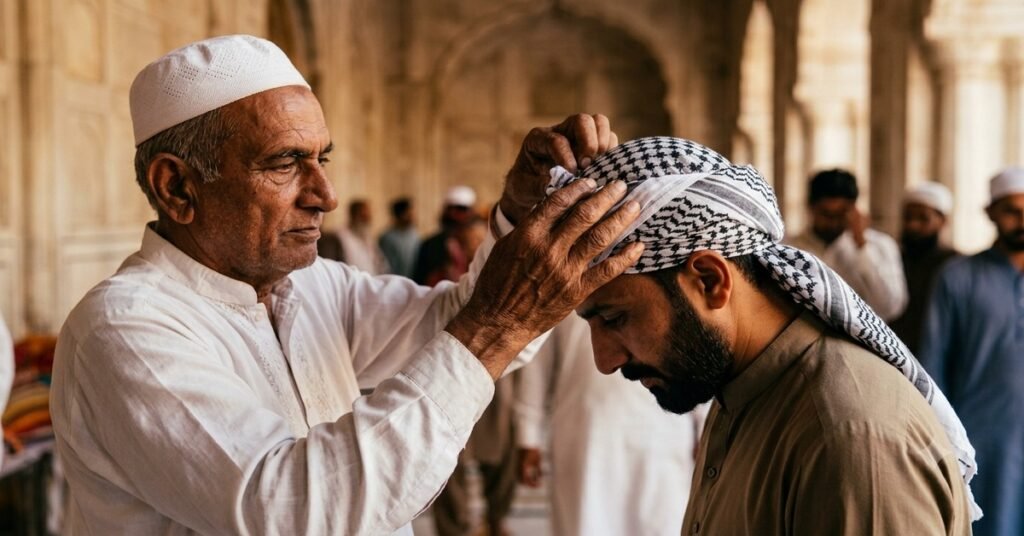
Turban — few pieces of clothing carry as much cultural, religious, and historical weight as this single length of wrapped fabric. Furthermore, worn across continents and faiths for thousands of years, the turban continues to be searched and discussed widely in 2026 as global interest in cultural heritage and identity grows. However, the turban is far more than a fashion accessory — for millions of people, it is a sacred article of faith, a marker of honor, or a symbol of community identity passed down through generations. Moreover, its meaning shifts significantly depending on the culture, religion, and region in which it is worn. In this article, we cover everything about the turban, from its ancient origins to what it represents today. So let us get started!
Turban? The Direct Answer
Turban — Ancient Origins
The turban’s history stretches back thousands of years, long before it became associated with any single religion. Furthermore, depictions of turban-like headdresses appear in ancient Mesopotamian, Persian, and Indus Valley art, with carvings left by the Assyrians roughly 3,000 years ago showing turbans on the heads of kings. Moreover, some historians trace the earliest form of the turban to a conical cap encircled with cloth worn by early Persians, while other theories point to ancient Egypt as an early origin point. As a result, the turban stands as one of the oldest continuously worn forms of headwear in human history.
Turban — What It Symbolizes
Across cultures, the turban has consistently symbolized more than practicality. Furthermore, in the ancient societies of Egypt, Greece, and Rome, the turban represented power, wealth, and elevated social status. Moreover, in many Eastern cultures, particularly across India, Pakistan, and Afghanistan, the turban has long signified spirituality, honor, and community identity, with the exchange of turbans between individuals traditionally considered a sign of lasting friendship. As a result, wearing, gifting, or removing a turban has historically carried deep social meaning far beyond its function as a head covering.
Turban? Religious And Cultural Significance
Turban — The Sikh Dastar
Within Sikhism, the turban, known as the Dastar, holds a uniquely central religious role. Furthermore, the turban became inseparable from Sikh identity from the time of Guru Nanak, the founder of Sikhism, and represents core Sikh values including equality, humility, and the belief in the supremacy of God over caste or class distinctions. Moreover, the tradition became formalized as part of the Sikh initiation ceremony established by Guru Gobind Singh in 1699, and practicing Sikhs consider the turban a mandatory article of faith rather than an optional cultural garment. As a result, for observant Sikhs, the turban is treated as sacred and inseparable from personal identity, not simply removable clothing.
Turban — Hindu And Muslim Traditions
The turban also carries distinct meaning within Hindu and Muslim traditions. Furthermore, in Hindu culture, turbans known by names such as pagri, safa, or mukut traditionally symbolized honor, masculinity, and social standing, with colors, fabrics, and styles varying widely by region, from the bright floral safas of Rajasthan to simpler white pagris worn during rituals and ceremonies. Moreover, in Islamic tradition, the turban carries spiritual significance tied to accounts of the Prophet Muhammad, and it remains worn today in various forms across Islamic countries as a marker of religious devotion and, in some cases, scholarly or clerical status. As a result, the turban continues to serve as an important marker of religious identity across multiple major world faiths.
Here is a quick overview of turban significance across different traditions:
Culture/ReligionCommon Name(s)Primary SignificanceSikhismDastarMandatory article of faith; equality, humility, identityHindu (India)Pagri, Safa, MukutHonor, social status, ceremonial significanceIslamic traditionsVaries by regionSpiritual devotion, historical ties to the Prophet MuhammadNorth AfricaTagelmustTribal identity indicated by color and styleMyanmarGaung BaungEthnic identity among Shan, Mon, Bamar, and Rakhine groups
Furthermore, this table highlights how the same basic garment carries distinct meanings depending on the religious and cultural context in which it is worn. As a result, understanding these differences helps explain why the turban remains one of the most symbolically layered pieces of clothing worldwide.
Turban? Regional Styles And Modern Relevance
Turban — Regional Variations Around The World
The turban’s form and meaning shift significantly by region. Furthermore, in parts of North Africa, the color of a turban, such as the indigo-toned tagelmust worn by some desert communities, can indicate the specific tribe of the wearer. Moreover, in Myanmar, the turban known as the gaung baung is an important piece of traditional ethnic attire recognized among the Shan, Mon, Bamar, and Rakhine peoples, while various styles across the Arabian Peninsula have historically signified professional or social standing among traders and community leaders. As a result, no single description fully captures the turban, since its color, wrapping style, and fabric all carry region-specific meaning.
Turban — Continued Cultural Importance Today
The turban remains culturally significant well into 2026, both within traditional communities and in broader global fashion and cultural conversations. Furthermore, for Sikh communities in particular, the turban continues to serve as a visible expression of faith and identity in countries around the world, including in contexts far from its South Asian origins. Moreover, growing global interest in cultural heritage has also brought renewed attention to turban traditions across Hindu, Muslim, African, and Southeast Asian communities, with many families continuing to pass down specific wrapping techniques and regional styles across generations. As a result, the turban remains both a living religious practice and an enduring symbol of cultural pride worldwide.
Frequently Asked Questions (FAQs)
Q1: What does a turban symbolize? A turban’s symbolism varies by culture, but common themes include honor, spirituality, social status, and community identity. Furthermore, in Sikhism specifically, it represents equality, humility, and the supremacy of God as a mandatory article of faith. As a result, its meaning depends heavily on the religious and cultural context in which it is worn.
Q2: Why do Sikhs wear turbans? Sikhs wear turbans, known as the Dastar, as a mandatory article of faith established by the Sikh Gurus, particularly formalized by Guru Gobind Singh in 1699. Furthermore, the turban also covers uncut hair, one of the five articles of faith in Sikhism, and represents core values of equality and humility. As a result, the turban is considered essential and sacred to Sikh identity.
Q3: Is the turban only worn by Sikhs? No. Furthermore, turbans are worn across many cultures and religions, including Hindu, Muslim, and various African and Southeast Asian traditions, each with distinct styles and meanings. As a result, while the turban is closely associated with Sikhism today, its use spans a far broader global and historical range.
Q4: Where did the turban originate? The exact origin is debated, but turban-like headdresses appear in ancient Mesopotamian, Persian, and Egyptian art dating back thousands of years. Furthermore, Assyrian carvings from roughly 3,000 years ago depict turbans on the heads of kings. As a result, the turban is considered one of the oldest continuously worn forms of headwear in human history.
Q5: Do turban colors and styles have meaning? Yes, in many traditions. Furthermore, in parts of North Africa, turban color can indicate tribal identity, while in Hindu culture, turban style and fabric have historically signified regional origin and social standing. As a result, turban color and wrapping style often carry meaning beyond simple aesthetic preference.
Q6: Is exchanging turbans a cultural tradition? Yes. Furthermore, in several South Asian cultures, exchanging turbans between individuals has traditionally been considered a symbol of lasting friendship and mutual respect. As a result, presenting someone with a turban is often regarded as a significant gesture of honor.
Conclusion
So what is the full story behind the turban? The answer spans thousands of years and multiple continents. Furthermore, from its ancient origins in Mesopotamian, Persian, and Egyptian art to its central religious role in Sikhism as the sacred Dastar, and its distinct significance across Hindu, Muslim, North African, and Southeast Asian traditions, the turban remains one of the most symbolically rich garments in human history. Moreover, its color, style, and manner of wrapping continue to carry specific cultural and religious meaning depending on where and by whom it is worn. As a result, the turban stands today as both a living religious practice for millions and an enduring global symbol of heritage, honor, and identity.
Stay tuned to WorldForbes for the latest cultural heritage features, global traditions coverage, and lifestyle stories in 2026.