
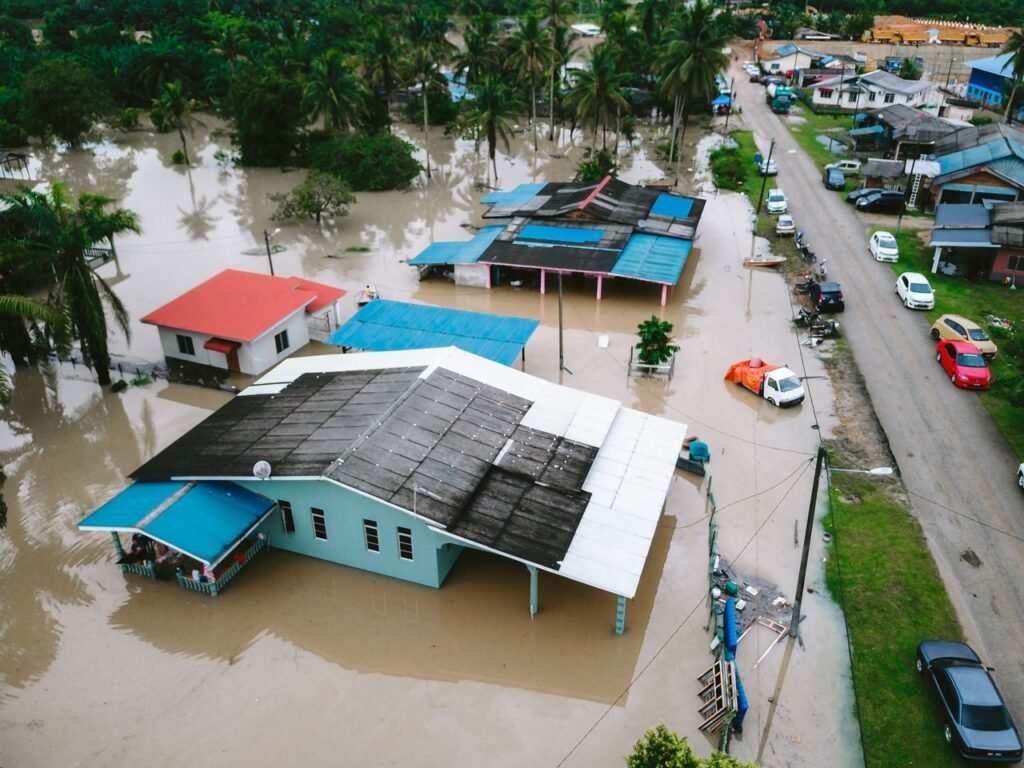
Floods are the most common natural disaster in the United States, and one of the leading causes of weather-related deaths. The danger is easy to underestimate: water that looks shallow can be fast, dirty and strong enough to sweep a person off their feet or float a car. The good news is that most flood injuries are preventable. Knowing your risk, having a plan, packing a bag before you need one, and understanding the difference between a flood watch and a flood warning will put you far ahead. This guide follows the official advice of Ready.gov, FEMA and the American Red Cross.
Flood warnings in force today, 14 November 2026
As of this morning, the National Weather Service has a Flood Warning in force covering seven areas across three states: Maricopa and Yuma counties in Arizona, McMullen County in Texas, and Seminole, Brevard, Lake and Volusia counties in Florida, where the St Johns River is running high after heavy rain. The warning runs until 17 November. Minor flooding is also forecast on the Nueces River near Tilden in Texas. If you are in any of these areas, check the current forecast and follow local instructions: warnings change quickly.
What a flood is, and the difference between a watch and a warning
Flooding is a temporary overflow of water onto land that is normally dry. It can come from heavy rain, melting snow, coastal storms and storm surges, rivers overflowing their banks, or a dam failure. Some floods build slowly over days; others, called flash floods, arrive suddenly and violently, with little or no warning. That is why the official advice is always the same: never walk, swim or drive through floodwater.
Two terms matter, and confusing them is dangerous. A flood watch means flooding is possible in your area: conditions are favourable, but no flood has happened yet. A flood warning means flooding is happening now or is about to happen, and you should act immediately. The warning is the serious one. If your phone, radio or television carries a flood warning for your area, take it as an instruction, not a suggestion.
Know your risk before the rain starts
The first step costs nothing and takes five minutes: find out whether your home, your workplace and the routes you drive every day are in a flood-prone area. In the United States, the Federal Emergency Management Agency runs a Flood Map Service Center where you can search your address and see the mapped flood risk. Ready.gov warns, though, that flooding does not follow lines on a map: even areas outside the mapped high-risk zones can flood, and where it rains, it can flood. If you live near a river, a stream, a coast, or at the bottom of a slope, your risk is higher than the map alone may suggest.
Sign up for your community’s warning system so alerts reach you directly: the Emergency Alert System and NOAA Weather Radio both carry flood alerts. Neighbours who have lived in the area for years often know which streets flood first.
Make a plan and pack a go-bag
A plan is a short conversation, not a document. Sit down with your household, including children, and agree on three things: where you will meet if you are separated, how you will contact each other if mobile networks fail, and which route you will take to higher ground. Include your pets in the plan: Ready.gov advises making a household plan that covers pets, so decide in advance where they will go, because many emergency shelters do not accept animals.
Then pack a go-bag, a bag you can grab in a minute and carry out of the door. The Red Cross flood checklist recommends at least a three-day supply of water, one gallon per person per day, plus non-perishable food, a first aid kit, a torch and extra batteries, a multi-purpose tool, sanitation and personal hygiene items, copies of personal documents such as identification, insurance policies and bank details, a phone with chargers, family and emergency contact information, and any medicines you need. Keep important documents in a waterproof container and make password-protected digital copies. Move valuables to a higher level of your home before water arrives, not during it. Store the bag somewhere you can reach it without wading through water.
Protect your home and check your insurance
Clear gutters and drains so water can run away from the house. Move outdoor furniture, bins and anything else that could float away or block a drain. If you have time before water arrives, move electrical items and valuables upstairs. Never try to turn off utilities while you are standing in water: the risk of electrocution is real, and that job belongs to the professionals.
Then check your insurance, because this catches most people. Standard homeowner’s insurance policies do not cover flooding. Flood cover in the United States comes through the National Flood Insurance Program, run by FEMA, and it typically takes up to 30 days for a policy to go into effect. That means the time to buy it is well before a disaster, not when the rain starts. Renters should check too: a landlord’s flood policy covers the building, not your belongings, and a standard renters policy usually excludes flood damage as well.
During a flood: the rules that save lives
If you are told to evacuate, go immediately. Do not wait to see how bad it gets, and never drive around barricades: local responders use them to direct traffic safely out of flooded areas, and the road behind a barricade may no longer exist. Listen to the Emergency Alert System, NOAA Weather Radio or local alerts for current instructions.
The single most important rule is the one every agency repeats: turn around, don’t drown. Never walk, swim or drive through floodwater. The American Red Cross states it in numbers: just six inches of fast-moving floodwater can knock you over, and 12 inches can carry your vehicle away. Most cars can be swept away by less than two feet of moving water, and as little as six inches of water can make a car lose control and stall. If floodwater rises around your car, get out and move to higher ground if you can do so safely. Stay off bridges over fast-moving water, which can be washed away without warning.
If you are trapped in a building, move to the highest level, but avoid a closed attic: rising water can trap you there with no way out. Go onto the roof only if necessary, and signal for help. If you are in a car and the water is rising, stay inside until you can leave safely, and move to the roof only if the vehicle begins to flood. Never enter floodwater to reach a breaker panel, collect belongings or attempt a rescue without training and equipment.
After a flood: coming home safely
Do not return home until the authorities say it is safe. Floodwater is not just water: it can carry sewage, chemicals, debris and sharp objects, and it may be electrically charged from downed power lines. When you do return, avoid driving except in emergencies, because roads may be weakened or washed away beneath the surface.
Before you start cleaning, protect yourself. Ready.gov advises wearing heavy work gloves, protective clothing and boots during clean-up, and using appropriate face coverings or masks when cleaning mould or other debris. Do not touch electrical appliances or equipment if you are standing in water or your clothes are wet. If you smell natural or propane gas or hear a hissing noise, leave immediately and call the fire department. Photograph everything before you throw anything away: your insurer will want evidence. Throw out food that has touched floodwater, and do not use water that could be contaminated until the authorities say it is safe.
Common questions
How much water is actually dangerous? Less than you think. Six inches of fast-moving water can knock an adult off their feet, and 12 inches can float a small car. Two feet of rushing water can carry away most vehicles, including large SUVs and pick-ups. Depth is hard to judge in murky water, so never test it.
Does my homeowner’s insurance cover flooding? In the United States, no. Standard homeowner’s and renters policies do not cover flood damage. Flood cover comes through the National Flood Insurance Program, and it typically takes up to 30 days to take effect, so buy it well before a disaster.
What is the difference between a flood watch and a flood warning? A watch means flooding is possible; a warning means flooding is happening or about to happen. A warning is the one that demands immediate action.
Should I drive through a flooded road if the water looks shallow? No. Never drive through floodwater, and never drive around barricades. The road surface may be washed away underneath, and water depth is almost impossible to judge from inside a car. Turn around and find another route.
What should go in a flood go-bag? Water for at least three days, one gallon per person per day, food, a first aid kit, a torch and batteries, medicines, copies of documents in a waterproof container, a phone charger, and emergency contacts. Pack it before you need it, and keep it where you can reach it without wading.
The bottom line
Floods are the most common disaster in the United States, but they are also among the most survivable if you prepare. Know your risk, sign up for warnings, make a household plan that includes your pets, pack a go-bag, and check your insurance. During a flood, evacuate when told and never walk or drive through floodwater: six inches can knock you down and 12 inches can carry your car away. Afterward, wait for the all-clear, protect yourself during clean-up, and document the damage. For other severe weather, our guide to how to prepare for a hurricane covers storm preparation, and our guide to how to prepare for a power outage covers staying safe when the lights go out.
Sources verified 14 Nov 2026: Ready.gov — Floods — floods the most common disaster in the United States; know your risk through FEMA’s Flood Map Service Center; flooding does not follow lines on a map; sign up for community warning systems, Emergency Alert System and NOAA Weather Radio; National Flood Insurance Program, homeowner’s policies do not cover flooding, typically up to 30 days for a policy to take effect; make a household plan including pets; evacuate immediately if told; never drive around barricades; do not walk, swim or drive through flood waters, Turn Around, Don’t Drown; stay off bridges over fast-moving water; return home only when authorities say it is safe; wear gloves, protective clothing and boots, masks for mould clean-up; do not touch electrical equipment while standing in water; American Red Cross — Flood Safety Checklist — six inches of swiftly moving water can sweep you off your feet; most cars can be swept away by less than two feet of moving water; water, at least a three-day supply, one gallon per person per day; flood watch versus flood warning; live warnings in force today (National Weather Service Flood Warning, Maricopa and Yuma counties Arizona, McMullen County Texas, Seminole, Brevard, Lake and Volusia counties Florida, St Johns River, until 17 November; Nueces River near Tilden, Texas, minor flooding forecast) as confirmed in checked sources today. No figure was taken from memory.