
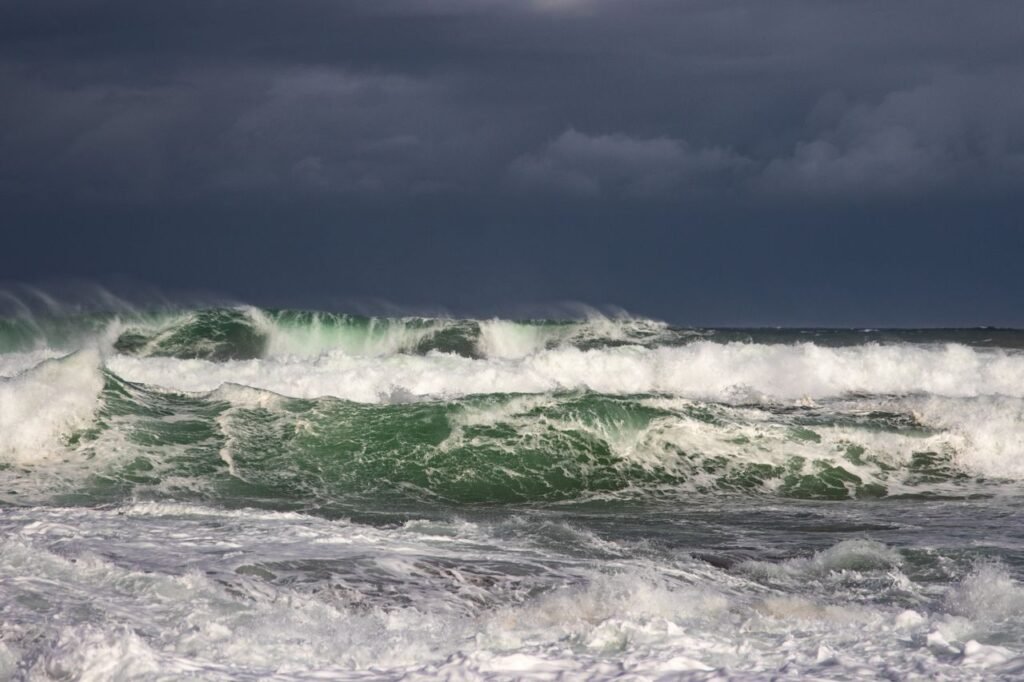
A hurricane does not arrive without warning. Unlike an earthquake, it is tracked for days as it crosses the ocean, so most of the work that keeps a household safe can be done calmly, well before the wind arrives. Hurricanes bring high winds, heavy rain, storm surge, flooding and tornadoes, and Ready.gov, the US federal preparedness site run by FEMA, notes that storm surge has historically been the leading cause of hurricane-related deaths in the United States.
This is an evergreen guide, not a forecast for a particular storm. On the morning of Friday 13 November 2026, the National Hurricane Center’s Tropical Weather Outlook for the North Atlantic, Caribbean Sea and the Gulf of America stated that tropical cyclone formation was not expected during the next seven days, so there is no live storm today.
Know the season and the warnings
The Atlantic hurricane season runs from 1 June to 30 November, and the eastern Pacific season runs from 15 May to 30 November, according to Ready.gov. The cheapest and calmest time to buy supplies and check insurance is before the season begins, not when shelves are empty and roads are crowded.
A hurricane watch means hurricane conditions — sustained winds of 74 miles per hour or more — are possible, and it is issued 48 hours before tropical-storm-force winds are expected. A hurricane warning means hurricane conditions are expected, and it is issued 36 hours beforehand. The same lead times apply to tropical storm watches and warnings. A watch means get ready; a warning means finish preparations and evacuate if local officials tell you to.
Before the season: know your zone and make a plan
First, find out whether you live in a hurricane evacuation zone. The National Weather Service advises contacting your local government or emergency management office. Zones are set locally, and the routes and shelters for your street may differ from those a few miles away. Ready.gov advises learning your evacuation routes, practising them with your household and pets, and deciding in advance where you will stay — with relatives or friends, at a low-rise inland hotel, or at a predesignated public shelter outside a flood zone.
Make a household emergency plan, and make sure everyone knows it. Ready.gov advises identifying whether anyone in the household may need additional help during an emergency, including a person with a disability. Write down a meeting place, an out-of-area contact, and how you will communicate if mobile networks fail. Sign up for community alerts and download the FEMA app for real-time National Weather Service alerts for up to five locations.
Build a supply kit that lasts several days
Ready.gov warns that after a hurricane you may not have access to supplies for days or even weeks, so a kit should cover several days. Start with water — one gallon per person per day for several days, for drinking and sanitation — and at least a several-day supply of non-perishable food, plus a manual can opener.
The rest of the Ready.gov basic list is practical: a battery-powered or hand-crank radio and a NOAA Weather Radio with tone alert; a flashlight and extra batteries; a first aid kit; a whistle; a dust mask; plastic sheeting and duct tape; moist towelettes, garbage bags and plastic ties; a wrench or pliers; local maps; and a cell phone with chargers and a backup battery. Store the kit in airtight plastic bags inside one or two easy-to-carry containers, such as plastic bins or a duffel bag, so it can go in the car if you evacuate. Add medicines, eyeglasses, infant supplies, pet food and extra water, cash, a blanket per person, a change of clothing and sturdy shoes, a fire extinguisher, and soap and hand sanitiser. Keep copies of important documents saved electronically or in a waterproof container, and replace expired items each year. The Red Cross adds that a portable go-kit should hold at least three days of supplies if you evacuate, and a longer supply if you stay home. The same kit logic applies in cold weather — see our guide to winter storm preparedness.
Strengthen your home and check your insurance
Do home preparation before a watch is issued. Ready.gov advises de-cluttering drains and gutters, bringing in outside furniture, and considering hurricane shutters. The National Weather Service adds storing plywood to secure your home, and checking flashlights and generators.
Most standard homeowners insurance policies do not cover flood damage, and a separate flood policy is usually needed for rising water, including storm surge. A new policy through the National Flood Insurance Program, run by FEMA, typically has a 30-day waiting period before coverage takes effect, with narrow exceptions, such as when coverage is required as a condition of a new mortgage. Buy flood cover well before hurricane season, not when a storm is already forecast. Photograph your home and belongings before the season, so any claim is easier to document.
When a storm is approaching
When a watch is issued, monitor local officials on television, radio or your phone, and be ready to evacuate. Charge your phone, fill your car’s fuel tank, and bring in loose objects. If you live in a mobile or manufactured home, plan to evacuate: the National Weather Service states plainly that mobile homes are unsafe in high winds, no matter how well fastened to the ground. The Red Cross gives the same warning for mobile, manufactured and trailer homes and recreational vehicles.
When a warning is issued, complete all preparations and evacuate if directed. Ready.gov’s instruction is direct: if you live in a mandatory evacuation zone and local officials tell you to evacuate, do so immediately. Leave early, take your emergency kit, clothing, medicine and personal items, tell someone outside the area where you are going, and follow the route local officials have given you.
During the storm
If you are sheltering at home, stay informed through official alerts, and take refuge in a designated storm shelter or an interior room for high winds. The Red Cross advises that the next best protection is a small, interior, windowless room in a sturdy building on the lowest level that is not likely to flood, away from glass windows and doors. If trapped by flooding, Ready.gov advises going to the highest level of the building — but not climbing into a closed attic, where rising water can trap you.
Never walk, swim or drive through floodwater. Ready.gov puts it in numbers: just six inches of fast-moving water can knock you down, and one foot of moving water can sweep your vehicle away. The Red Cross repeats it as its central flood rule: “Turn Around, Don’t Drown.” Floodwater may also be electrically charged from downed power lines. Be alert for tornadoes, which are often spawned by hurricanes, and do not be fooled by the calm of the eye: the National Weather Service warns that after the eye passes, winds will change direction and quickly return to hurricane force. If you lose power, see our guide to preparing for a power outage. Never use petrol, propane, natural gas or charcoal-burning devices inside a home, basement, garage, tent or camper, because of carbon monoxide poisoning.
After the storm
Keep listening to radio, television or NOAA Weather Radio, and follow local officials’ instructions. Do not return home until local officials have declared it safe. If you come upon a barricade or a flooded road, turn around and go another way. Avoid weakened bridges and washed-out roads.
Cleanup carries its own risks. Ready.gov advises wearing protective clothing, working with someone else, and using face coverings or masks if cleaning mould or debris. People with asthma, lung conditions or immune suppression should not enter buildings with indoor water leaks or mould that can be seen or smelled, and children should not help with disaster cleanup. Do not touch electrical equipment if it is wet or if you are standing in water. Do not wade in floodwater. Save phone calls for emergencies and use text messages or social media instead. Photograph property damage and contact your insurer. The Red Cross also warns that heart attacks are a leading cause of deaths after a hurricane, so avoid overworking during cleanup.
Preparation is not about fear. It is about doing the work early — a kit, a route, a plan, a policy check — so that when the forecast turns serious, the only decision left is whether to stay or to go. For readers in the United Kingdom, Australia and Canada travelling to hurricane-prone regions, the same principles apply: know the local warnings, know your evacuation route, and carry the kit before you need it.